


Trends in Soldering Tools for Laboratories
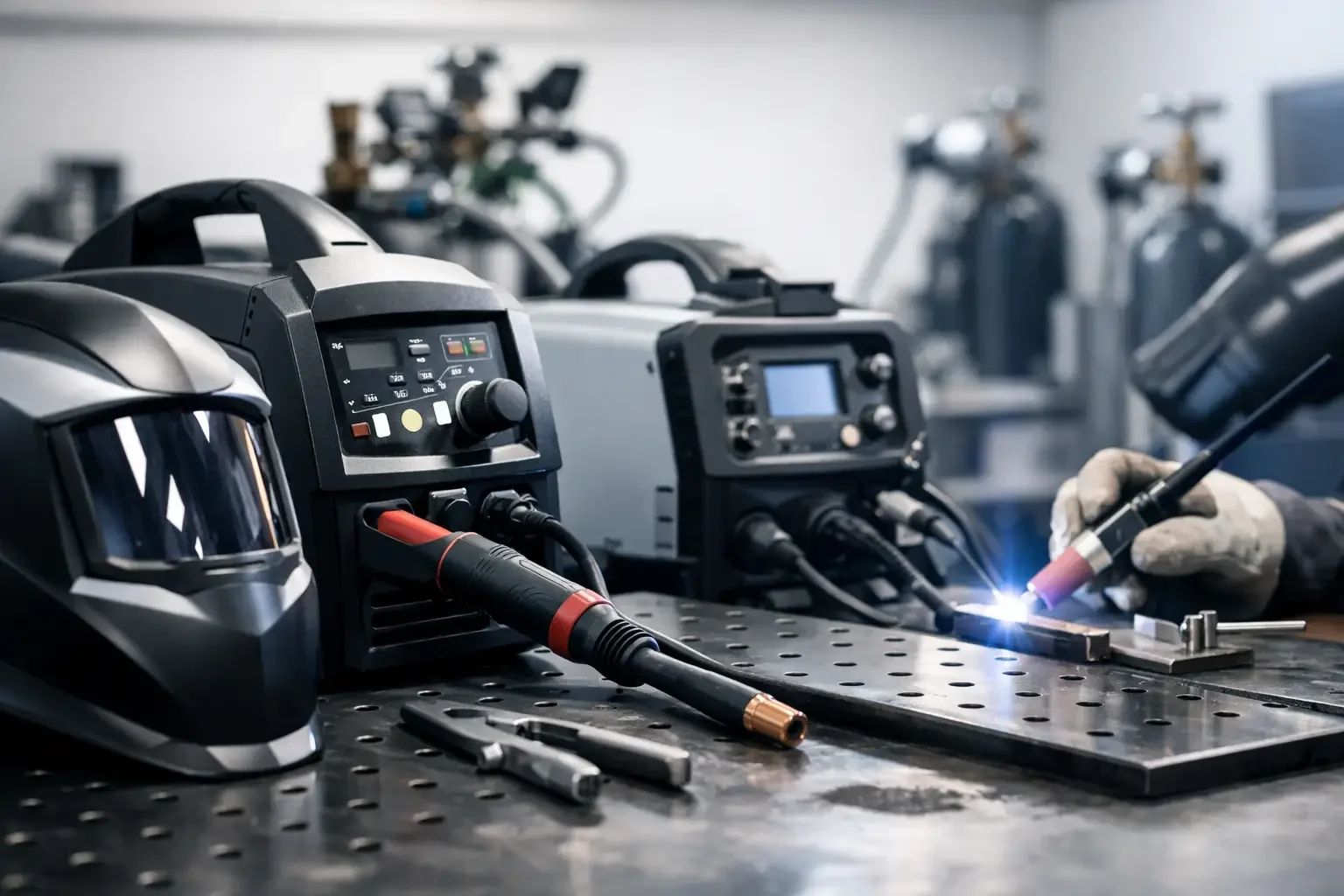
Anyone working daily on motherboards, FPC connectors, power lines, and microcomponents knows that the difference between a clean repair and a return for service often starts at the bench. Trends in soldering tools for laboratories are not just about newer machines but a precise shift in priorities: thermal control, repeatability of results, compatibility with increasingly fine processes, and reducing the margin for error.
In the laboratory managing repairs on iPhones, iPads, MacBooks, and other high-density devices, soldering is no longer an isolated phase. It is integrated into a flow that includes diagnosis, preheating, shielding, cleaning, optical inspection, and final testing. For this reason, the tools required today are not simply "powerful" but stable, configurable, and consistent with work on heat-sensitive PCBs.
How Soldering Tool Trends for Laboratories are Changing
The first evident change is the shift from generic tools to much more specialized stations. In laboratories working with miniaturized consumer electronics, the traditional soldering iron with approximate adjustments has less and less room. In its place, systems with more precise thermal readings, rapid temperature recovery, and tips designed for very specific tasks, such as close pads, shields, flat connectors, and SMD components, are taking over.
Hot air tools have also evolved. It is no longer enough to have a station with a display and adjustable airflow. Today, the actual stability of the output temperature, the quality of the nozzle, the management of airflow over restricted areas, and the ability to intervene without moving adjacent components matter. Essentially, the market favors tools that reduce operational variability, especially as repair volumes grow and the bench is used by multiple technicians.
Another strong trend is the integration between soldering and rework. In modern laboratories, individual equipment is no longer purchased as separate elements; instead, the overall system is evaluated. Soldering stations, hot air tools, preheaters, PCB supports, microscopes, consumables, and ESD tools must work together. When one of these elements is undersized, it slows down the entire process.
More Precise Thermal Control, Less Margin for Error
The most concrete issue is temperature control. On Apple devices and many recent boards, thermal errors come at a high cost: lifted pads, delaminations, damage to nearby components, or seemingly successful but unstable solders over time. For this reason, laboratories are favoring stations with rapid thermal response and constant setting maintenance even under load.
It’s not just a matter of disclosed technical specifications. The actual behavior during operation counts. A tip that loses temperature as soon as it contacts a larger mass forces the technician to compensate manually, adding time and thermal stress to the board. A more advanced station reduces this discrepancy and makes the results more repeatable.
The same applies to preheaters. Until recently, they were considered accessories for advanced laboratories. Today, in many contexts, they are becoming almost standard tools for those performing micro-soldering and rework on multilayer boards. The reason is simple: better heat distribution reduces the risk of thermal shock and enables more controlled interventions on sensitive components or complex areas.
Micro Soldering: The True Area of Growth
If we look at what modern repairs require, micro soldering is the segment driving the evolution of equipment more than any other. Laboratories are not just seeking soldering tools but tools to work effectively on increasingly smaller components with tighter tolerances and very compact layouts.
This means dedicated tips, ergonomic handles, long-use suitable stations, and constant pairing with optical inspection. Modern laboratory soldering is no longer evaluated just by machine power, but by the quality of the manual control it allows. If the technician must work under the microscope to restore a line, redo a connector, or intervene on a charging circuit, every detail of the tool affects the result.
This is where the quality of consumables also comes into play. Fluxes, solder, desoldering braid, and pastes are not secondary accessories. The performance of the station can be compromised by mediocre consumables. The trend, in fact, is toward more balanced setups: correct tool, correct consumable, correct tip for the type of intervention.
Hot Air and BGA Rework: Less Improvisation
In reworking chips, shields, and shielded components, the direction is clear: less “feel” adjustments, more controlled processes. The hot air stations finding place in professional laboratories are those that allow more predictable management of airflow and heat, with nozzles suitable for the actual geometry of the component.
This does not mean that every laboratory must immediately switch to high-profile solutions. It depends on the volume of interventions and the type of boards treated. A center that primarily works on connectors, flat components, batteries, and small replacements will have different priorities than a bench that regularly performs reballing, IC replacements, or complex board-level repairs. The common trend, however, is to avoid overly generic tools that force technicians to compensate with experience for what lacks in precision.
Mechanical support for processing also matters more than in the past. Clamps, adjustable PCB supports, antistatic bases, and systems to secure the board during rework are becoming integral parts of the soldering area. The reason is operational: if the piece isn’t stable, thermal control is only effective up to a point.
The Most Concrete Soldering Tool Trends for Laboratories
The market direction is clearly reflected in what laboratories continuously purchase. There is a growing demand for compact yet high-performance stations suited for optimized workbenches. Interest in modular systems is increasing, where technicians can update handles, tips, or configurations without replacing everything. There is also a strengthening preference for easy-to-maintain operational tools, with parts and consumables available without slowing down work.
Another noteworthy point is internal standardization. More organized laboratories tend to unify equipment across multiple workstations. It’s not just a purchasing choice but a process logic. If multiple technicians use similar tools, adaptation times, setting errors, and quality differences between benches are reduced.
For those managing recurring supplies, this is a concrete trend: not buying just the machine but building a coherent workflow line, from soldering to consumables. In this scenario, a specialized supplier like iPhoneHospital.it makes sense especially for the ability to concentrate bench equipment, spare parts, and materials into the same supply flow.
What to Consider Before Upgrading the Soldering Bench
Upgrading equipment doesn’t mean chasing the latest available model. The correct choice starts from the types of repairs actually performed. If the laboratory primarily works on smartphones and tablets, precision, thermal stability, and space management are essential. If the focus shifts more towards notebooks and larger boards, power, tips, and supports may need to change.
Volume also matters. In a heavily used bench, ergonomics and performance continuity weigh more than the initial price. An economical station may seem sufficient at the time of purchase but can become costly if it slows down operations, requires frequent replacements, or introduces variability in results.
The usage curve should also be considered. Some advanced tools offer superior margins but require more accurate setups and personnel with real experience. The most complex product is not always the best choice. In many laboratories, it makes sense to focus on reliable, intuitive, and easily standardized equipment, especially when daily work demands consistent speed over experimentation.
Where the Professional Laboratory is Heading
The direction is clear: more precise tools, more organized benches, and processes less reliant on improvisation. The experienced technician remains central, but the market rewards those who reduce the random element of work with consistent equipment, adequate consumables, and workstations designed for repeatable interventions.
In the repair sector, soldering is becoming less and less an isolated skill and more of an integrated function in the laboratory’s technical process. Those who upgrade the bench with this criterion work better, make fewer mistakes, and manage both individual repairs and daily operational loads more efficiently.
The right choice, often, is not to have more tools but to have those suitable for the procedures that actually come to the bench each week.